Employee Provident Fund
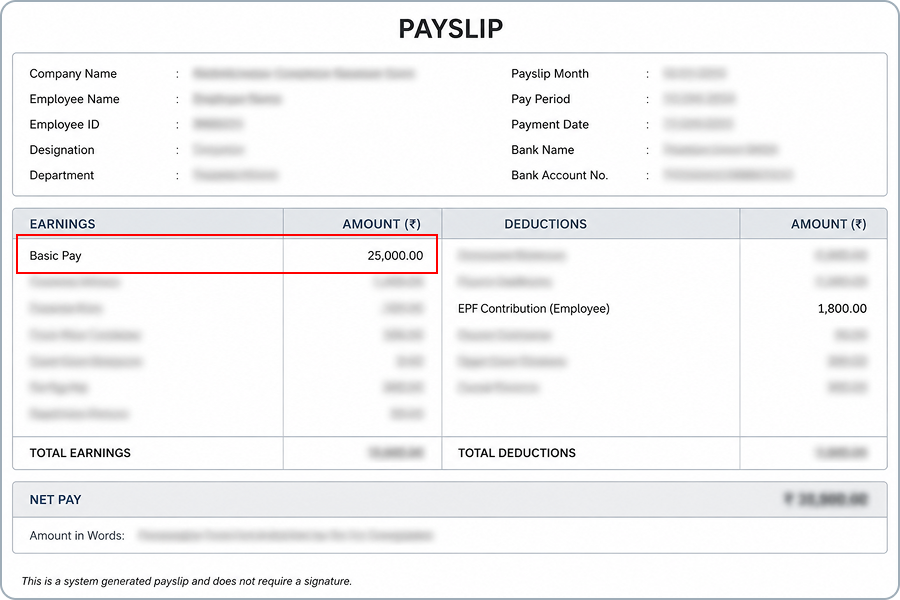
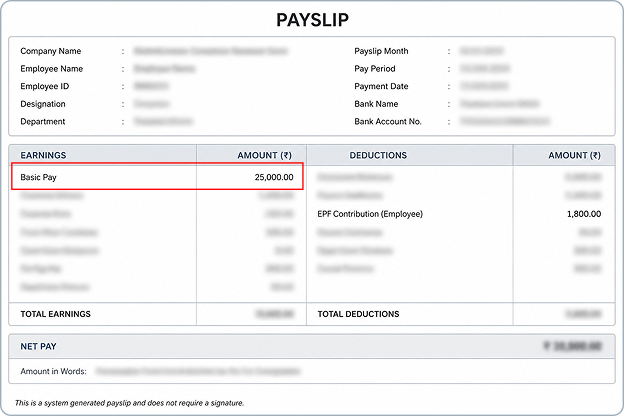
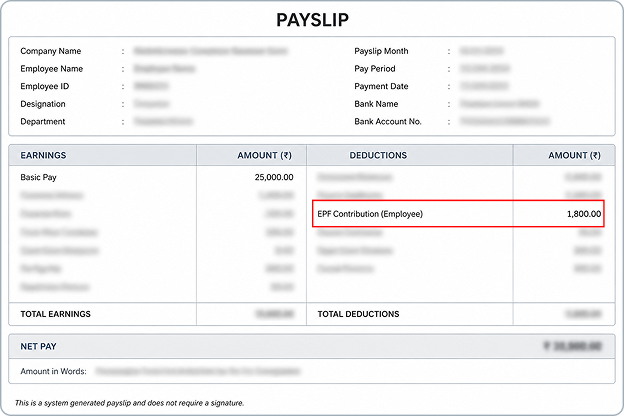
The Employee Provident Fund (EPF) is a statutory savings scheme for salaried employees in India, managed by the EPFO. It acts as a foundational retirement tool where both employees and employers contribute a fixed monthly percentage of the basic salary. The accumulated corpus grows through annually declared compound interest, providing long-term financial stability.
Public Provident Fund
The Public Provident Fund (PPF) is a secure, government-backed savings avenue designed to encourage long-term capital accumulation among all Indian citizens. Featuring a fixed fifteen-year tenure and legally guaranteed returns, it provides a stable investment option. The interest earned and the final maturity amount are completely tax-exempt under sovereign statutory provisions.
Pension And Other Plans
Pension Plans encompasses a diverse range of institutional pension frameworks, superannuation models, and government-backed social security programmes. These initiatives are designed to cater to different segments of the workforce, offering structured financial relief through fixed annuities, monthly stipends, or senior citizen benefits to ensure continuous financial protection during post-work lifespans.
Retirement Planning
Retirement planning is the strategic process of evaluating future living expenses, inflation trends, and life expectancy to achieve long-term financial autonomy. Retirement Planning discipline involves calculating required corpus sizes, managing active asset allocations, and establishing structured withdrawal strategies, ensuring that individuals accumulate sufficient wealth to maintain their desired lifestyle after leaving active employment.
Annuity
An annuity is a specialised financial contract that converts a lump-sum retirement corpus into a guaranteed, regular stream of income. Functioning as the core mechanism of the retirement decumulation phase, annuity mitigates the risk of individuals outliving their capital by delivering lifetime monthly or annual payouts through empanelled life insurance service providers.
Mutual Funds
Mutual funds are pooled investment vehicles managed by professional asset management companies to invest in diversified portfolios of equities, corporate debt, and government securities. Operating through systematic investment plans or lump-sum allocations, these market-linked instruments enable everyday investors to benefit from compound growth, capital appreciation, and risk optimization over extended time horizons.
Corporate NPS
Corporate National Pension System (Corporate NPS) is an employer-sponsored retirement savings scheme that enables employees to build a retirement corpus while enjoying additional tax benefits. It complements salary benefits and encourages disciplined, long-term retirement planning.
NPS Vatsalya
NPS Vatsalya is a government-backed pension scheme for minors that allows parents or guardians to start investing early for their child's financial future. The account can continue seamlessly into a regular NPS account once the child reaches adulthood.
Atal Pension Yojana
Atal Pension Yojana (APY) is a government-backed pension scheme aimed at workers in the unorganised sector. It helps subscribers build a retirement corpus and provides a guaranteed monthly pension after the age of 60, subject to scheme conditions.
Gold
Gold Investment is a time-tested way to preserve wealth and hedge against inflation. It allows investors to build a portfolio through physical gold, digital gold, or Sovereign Gold Bonds, combining long-term value appreciation with financial security.
Silver
Silver Investment offers an affordable entry point into precious metals, with strong industrial demand driving long-term potential. It allows investors to diversify their portfolio through physical silver, digital silver, or silver ETFs alongside traditional retirement assets.
Fixed Deposit
Fixed Deposit (FD)is a secure investment option that offers guaranteed, fixed returns over a chosen tenure. It suits conservative investors looking to protect capital while earning predictable interest income, making it a reliable addition to any retirement plan.
Sukanya Samriddhi Yojana
Sukanya Samriddhi Yojana (SSY) is a government-backed savings scheme designed for the girl child. It allows parents or guardians to build a secure financial corpus for her education and marriage, offering attractive interest rates and tax benefits.
NPS Sanchay
NPS Sanchay is a structured approach to National Pension System contributions, helping subscribers save consistently and grow their retirement corpus over time. It combines disciplined investing with the tax advantages and market-linked returns of NPS.
NPS Calculator
NPS Calculator helps you estimate your retirement corpus and expected monthly pension based on your contributions, investment tenure, and expected rate of return. It's a quick tool to plan and optimize your NPS investment strategy.

























 Yes
Yes
 No
No


































 Edit
Edit